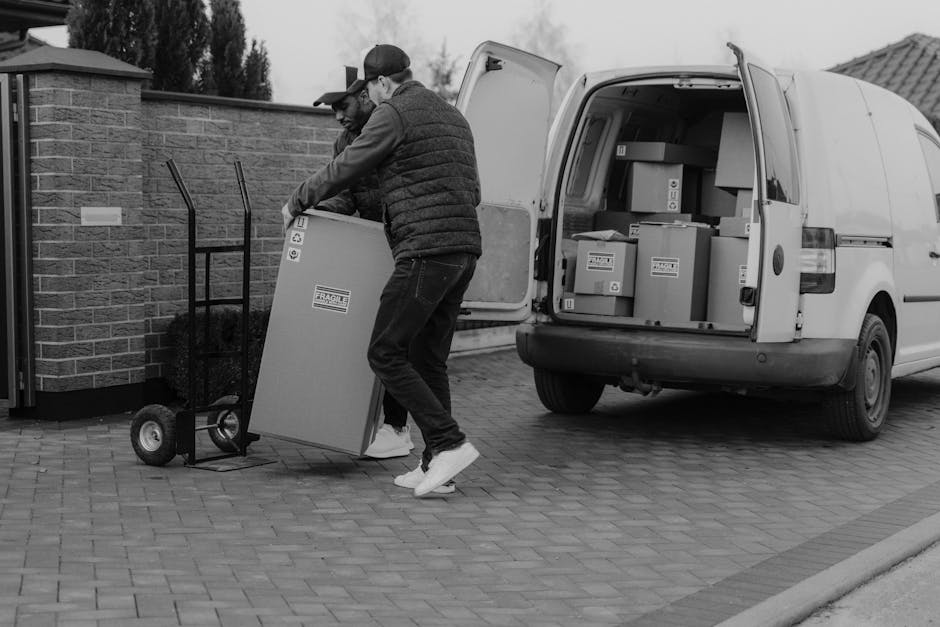
Woking Station flat move man and van advice

If you are planning a flat move around Woking Station, the small details matter more than people expect. Narrow access roads, shared entrances, stairs, train-time traffic, and awkward parking can turn a simple job into a stressful one very quickly. That is exactly why Woking Station flat move man and van advice is useful: it helps you plan a move that is calm, efficient, and realistic from the start.
This guide walks you through what a man and van service can do for a station-area flat move, how the process usually works, what to check before booking, and where people often go wrong. You will also find practical tips for timing, packing, access, and choosing the right service level for a one-bed flat, a studio, or a slightly larger apartment. To be fair, most problems are avoidable with a bit of preparation.
Expert summary: the best flat moves near a station are not necessarily the cheapest or the biggest. They are the ones that match the property access, your furniture volume, and the day's loading conditions. A well-planned man and van booking can save time, reduce handling, and keep the move feeling manageable, even if you only have a few hours to do it.
Why Woking Station flat move man and van advice Matters
Moving from a flat near a busy station is not the same as moving from a driveway house. That sounds obvious, but it is the bit many people only realise on moving day, usually while someone is carrying a wardrobe down three flights of stairs and the lift is out. Station areas tend to bring their own quirks: limited stopping space, foot traffic, one-way streets, and residents who understandably want their entrance kept clear.
Good advice matters because a flat move is often compressed into a tight window. You may have check-out times, handover slots, cleaners coming in, or a train commute creating a hard deadline. If you use the wrong vehicle size, underestimate loading time, or forget about access, the whole day can unravel. And once the day slips, stress tends to multiply. Funny how that works.
A man and van service is often a sensible fit for this kind of move because it is flexible. You are usually not paying for a massive lorry you do not need, and you can often get a service that is nimble enough for station-area streets and apartment blocks. Still, "flexible" only helps if you plan properly. The right advice saves money, yes, but it also saves your back, your schedule, and your patience.
If you are comparing your options, it helps to start with the broader service picture. Pages such as man and van, home moves, and removal services explain the general service types, while more specialist pages like house removals and removals help if your move is larger than a basic flat job.
How Woking Station flat move man and van advice Works
The process is simpler than a full-scale house removal, but there is still a method to it. A typical station-area flat move begins with a quick review of what needs moving: boxes, bedding, kitchen items, small furniture, white goods, and anything fragile or awkward. From there, the mover estimates vehicle size, loading time, parking requirements, and how many people are needed to move everything safely.
For a smaller flat, a man and van setup can often be enough if the furniture is manageable and there is easy access. For larger apartments, a service with stronger support may make more sense, especially if you have multiple bulky items or a long carry from the vehicle to the door. In practical terms, the service should feel tailored rather than generic. That is the bit you want.
Near a station, timing is part of the service. Early mornings can be quieter, but they can also be busy with commuters. Late afternoons can be fine, until school run traffic or a delayed train changes everything. A good mover will think about where the van can stop, whether the lift is usable, and how long it takes to move items from the flat to the vehicle. Simple questions, but they matter.
People sometimes imagine man and van as "just load and go." In reality, the best moves are planned in layers:
- what is being moved;
- how it is packed;
- where the van can park;
- how many trips might be needed;
- what needs disassembly or protection;
- how the new flat's access compares to the old one.
If packing support would help, a service like packing and unpacking services can remove a surprising amount of last-minute pressure.
Key Benefits and Practical Advantages
A well-organised flat move near Woking Station can be handled very efficiently, and that is probably the biggest benefit. But there are several others worth spelling out.
- Better flexibility: smaller vehicles are usually easier to position near flats, especially where parking is tight or time-limited.
- Right-sized support: you are not overbooking a larger removal setup if you only have a modest amount of furniture.
- Less handling stress: experienced movers know how to manage stairs, door frames, and awkward corners without turning every item into a puzzle.
- Faster local turnaround: for short-distance moves, a man and van can often keep the day moving without unnecessary downtime.
- Cost control: if you plan accurately, you can avoid paying for more vehicle space or labour than you really need.
There is also a psychological benefit, and that is not trivial. Moving from a flat can feel oddly intense because everything happens in a small space. You are closing one chapter, opening another, and trying not to lose the TV remote in the middle of it. A clean plan makes the day feel much less chaotic.
For some people, the right fit is a straightforward man with van booking. For others, especially those with heavier furniture or multiple rooms, a broader movers or removal company approach may be the safer call.
Key takeaway: choose the service to match the access, volume, and time pressure of the move, not just the postcode.
Who This Is For and When It Makes Sense
This advice is especially useful if you are moving out of a studio, one-bed, or compact two-bed flat near the station. It also suits renters who need a quick turnaround between tenancies, or anyone juggling a move with work and rail travel. If you are on a tight handover timeline, the small operational details become very important.
It makes sense when:
- you have a moderate amount of furniture and boxed contents;
- the flat is in a block with lift access or manageable stairs;
- you are moving locally or within Surrey;
- you want a practical service rather than a full packing and removals package;
- you need a quick, tidy, no-fuss move.
It may be less suitable if your move involves a large family property, multiple heavy wardrobes, or specialist items that need extra handling. In those cases, broader services such as house movers, house removalists, or house removals may be a better fit.
One simple question helps here: do you need a flexible helper, or do you need a fully managed move? If it is the first, a man and van is often ideal. If it is the second, look higher up the service ladder.
Step-by-Step Guidance
Here is the practical bit. If you follow these steps, you are much more likely to have a smooth move and a calmer morning. Not perfect, maybe, but a lot smoother.
- Make a room-by-room inventory. Write down the furniture and boxes you are actually moving, not just what you think might fit.
- Measure the awkward items. Wardrobes, sofas, mattresses, desks, and white goods often create the real headache.
- Check access at both properties. Note stairs, lift availability, door widths, and where the van can stop legally.
- Reserve packing materials early. Good boxes, tape, and protective wrap make a bigger difference than people expect.
- Decide what the mover should handle. Are you asking for loading only, transport only, or loading plus unloading?
- Choose a sensible time slot. If possible, avoid obvious peak traffic and confirm building access times in advance.
- Protect fragile and valuable items. Pack glassware, monitors, mirrors, and lamps separately and label them clearly.
- Prepare the route out of the flat. Clear hallways and set boxes near the exit so the mover is not weaving around furniture.
- Keep essentials with you. Documents, chargers, medication, and keys should not disappear into the van.
- Confirm the final details the day before. A quick check on timing, parking, and contact numbers can prevent silly mistakes.
If your move includes bulky furniture that will need removal from a flat and possible onward disposal or reuse, a service like furniture pick up may also be useful depending on what you are keeping.
One more thing: keep the kettle accessible. Seriously. On moving day, a cup of tea can save morale at 8:10 in the morning when the sofa refuses to fit round the corner.
Expert Tips for Better Results
Here are the things people who move flats regularly tend to do, whether they say it out loud or not.
1. Treat parking as part of the move, not an afterthought. Near a station, a legal stopping point can be the difference between a neat move and a frustrating one. If there is nowhere obvious to stop, tell the mover early so they can plan accordingly.
2. Build the day around the slowest item. One heavy wardrobe or a tricky mattress can dictate the pace. Plan for that rather than the easy boxes.
3. Use colour or room labels. Boxes marked by room are not glamorous, but they make unloading noticeably easier. The ground floor kitchen box should not end up in the bedroom by mistake. It happens.
4. Keep communal areas tidy. In apartment blocks, respect for neighbours matters. Don't leave doors propped open for too long, and try not to block corridors.
5. Ask about vehicle type. A suitable moving van or removal van should match your load without being oversized for the access available.
6. Be honest about the load. If you understate what needs moving, you usually create a second problem: an extra trip, extra time, or extra cost. Nobody enjoys that little surprise.
7. Confirm how fragile items will be handled. If something matters to you, say so. A good mover would rather know in advance than guess on the day.
There is also a soft skill here: stay flexible. The best-laid plan can shift if there is a lift fault or a delivery truck parked badly outside the building. That is why a service with the right experience is worth more than a rushed bargain.
Common Mistakes to Avoid
Most flat move issues are not dramatic. They are small oversights that build into a bigger problem. Slightly annoying, then suddenly very annoying.
- Underestimating the number of boxes. People often count furniture and forget the smaller items that fill a van quickly.
- Ignoring access rules. Building restrictions, loading bay rules, and time limits can catch people out.
- Leaving packing until the last night. That usually creates poor box quality, weak labelling, and unnecessary stress.
- Booking the wrong size of service. Too small and you risk delays. Too large and you may pay for capacity you do not need.
- Not checking insurance and responsibility. Ask what is covered and what is not, especially for fragile or valuable belongings.
- Forgetting about parking distance. A van parked two streets away sounds minor until you are carrying a bed base through damp morning air.
- Assuming everything can be dismantled on site. Some furniture is straightforward, some is a pain. Best to check first.
If you want a more structured service level, broader options such as removal services or removals near me may be worth comparing, especially if you are trying to balance ease with cost.
Truth be told, a lot of moving-day trouble comes from optimism. Useful optimism, maybe, but still optimism.
Tools, Resources and Recommendations
You do not need fancy equipment for a flat move, but a few basic tools make life much easier. The most useful items are usually the plain ones.
- Strong boxes: choose a consistent size where possible so stacking is easier.
- Packing tape: more than you think you need, because the last roll always disappears.
- Labels or marker pens: room names, contents, and "fragile" labels all help.
- Blankets and wraps: for table tops, mirrors, and polished furniture.
- Basic tools: screwdrivers, Allen keys, and zip bags for fittings.
- Phone charger or power bank: because you will need your phone at the worst possible moment.
If you are still deciding between different types of moving support, the following pages can help you understand the options more clearly: man with a van, man with van removal, man and van removals, and removal van.
If you are moving into a new flat and need help getting settled, a service such as removals van can be a neat middle ground for practical, local transport without unnecessary complexity.
Law, Compliance, Standards, or Best Practice
For a flat move, the legal and compliance side is mostly about doing things sensibly and professionally. You do not need to become an expert in transport law to book a mover, but you should expect certain basics.
Parking and access: local parking rules still apply, especially near stations and on residential streets. If loading restrictions, permit conditions, or timed bays are in place, they need to be respected. A mover should not encourage you to block access or ignore restrictions just to save a few minutes.
Insurance: it is sensible to ask what cover is in place for goods in transit, loading, unloading, and public liability. Coverage can vary, so do not assume every service is identical. A reputable provider should be able to explain the basics clearly. For more on this, see insurance and safety.
Health and safety: lifting heavy items, carrying boxes on stairs, and moving furniture through tight spaces all bring genuine risk if rushed. Good practice means using correct lifting techniques, not overloading boxes, and avoiding unsafe shortcuts. The service should follow sound working methods; if you want to understand that approach better, the health and safety policy page is a useful reference point.
Terms and payment: always check the booking terms, payment approach, and any conditions around waiting time or access delays. If something is unclear, ask before the move rather than during it. The same goes for terms and conditions and payment and security.
Ethical and environmental practice: if you have items that should be reused or responsibly disposed of, ask about sustainability and recycling. A practical move can still be a considerate one. The page on recycling and sustainability fits naturally here.
One small but important point: if a mover seems vague on safety, insurance, or pricing, that is not a good sign. Usually, the better operator is the one who answers questions plainly.
Options, Methods, or Comparison Table
If you are unsure what level of support you need, this simple comparison can help. It is not one-size-fits-all, but it does give you a clearer starting point.
| Option | Best for | Strengths | Watch out for |
|---|---|---|---|
| Man and van | Small to medium flat moves, flexible local jobs | Agile, usually cost-effective, easy for tight access | May need extra care for large furniture or many boxes |
| Removal van | Moves needing a bit more vehicle space | Useful balance of capacity and practicality | Access and parking still matter a lot |
| Removal company | Larger or more complex flat moves | More structured support, better for heavier loads | Can be more than you need for a small flat |
| Full removals service | Busy households, multiple rooms, tight schedules | Reduced stress, broader support, more hands | Usually the highest-cost option of the four |
For a station-area flat, the sweet spot is often somewhere between a practical man and van removals setup and a more complete moving service. The right answer depends on how much you own and how easy the building is to work in.
Case Study or Real-World Example
Picture a typical move from a second-floor flat near the station on a weekday morning. The tenant has a sofa, a double bed, two shelving units, a small dining table, around twenty boxes, and a couple of fragile items that need careful handling. The lift works, but only intermittently. There is no private driveway, and the street is already busy by mid-morning.
In that situation, the move works best when the packing is done the night before, the key items are kept separate, and the mover knows in advance that access may involve stairs. If the van can stop close to the entrance for a short loading window, even better. The team can move the bulky furniture first, then follow with boxed items and fragile pieces.
What usually goes wrong in real life? Two things: people overpack the boxes and underestimate the time needed to carry everything down. A box that is too heavy feels fine for about twenty seconds, then it starts to feel like a bad decision. Keep boxes manageable, and the whole day becomes much less dramatic.
In a move like this, the value of a local service is not just transport. It is judgement. Knowing when to split loads, when to take a protective blanket, when to pause and reposition a sofa, when to protect a wall corner. That is the difference between a move that feels rushed and one that feels under control.
Practical Checklist
Use this before booking and again the day before the move. It keeps the moving brain from going fuzzy.
- Confirm the moving date and arrival time.
- Check lift access, stair access, and any building rules.
- Measure large furniture and note anything awkward.
- Estimate how many boxes you really have.
- Separate fragile items and label them clearly.
- Arrange parking or loading access where possible.
- Keep keys, documents, medication, and chargers with you.
- Protect floors, mirrors, and furniture if needed.
- Pack a kettle, tea, snacks, and water for the first day.
- Review pricing, terms, and insurance details before confirming.
If you still need to compare service types after that, you may find removal companies useful as a broader benchmark, especially if your flat move has crept into a bigger job than expected.
Conclusion
Woking Station flat move man and van advice is really about making a small-space move feel organised rather than frantic. Around a station, the pressure points are usually access, timing, parking, and the volume of items. Get those right and the move becomes much easier. Get them wrong and even a short journey can feel unnecessarily long.
The smartest approach is straightforward: be honest about what you are moving, check the access at both ends, choose the right vehicle size, and keep the day as simple as you can. If you do that, you give yourself a far better chance of a smooth handover and a calmer first evening in the new flat. And honestly, that first quiet cup of tea in an unpacked kitchen is a lovely feeling.
If you are still at the planning stage, compare the service level carefully and make sure the provider understands the realities of a station-area flat move.
Get a free quote today and see how much you can save.
Frequently Asked Questions
Is a man and van suitable for a flat move near Woking Station?
Yes, often it is. A man and van service is usually a strong fit for studio, one-bed, and smaller two-bed flat moves, especially where access is tight and flexibility matters. The main question is not the station location itself, but how much you need moving and how easy it is to load.
How do I know if I need a larger removal service instead?
If you have multiple large furniture items, a lot of boxes, or awkward access with several flights of stairs, you may want something beyond a basic man and van. If the move is becoming more like a full household relocation, broader services such as house removals or removal services may be more appropriate.
What should I tell the mover before booking?
Give a clear list of the furniture, estimate the number of boxes, mention stairs or lift access, and explain where the van can stop. The more accurate you are, the easier it is for the mover to quote properly and plan the right vehicle.
Can a man and van help with packing too?
Some can, yes. If you need help with fragile items, boxing up a kitchen, or getting everything ready on time, packing and unpacking services may be a good add-on. It depends on the service level and what you have arranged in advance.
How far in advance should I book for a station-area flat move?
As early as you reasonably can, especially if you need a specific date or time slot. Flat moves can be simple, but they are still time-sensitive. Booking early also gives you more time to clarify parking, access, and packing details.
What happens if the van cannot park right outside?
Then the move usually takes longer, because items may need to be carried farther from the vehicle. That is not unusual in station areas. It is one of the reasons why access planning is so important before the move day.
Are my belongings insured during the move?
That depends on the provider and the specific cover in place, so you should always ask. Do not assume all items are covered in the same way. A reliable mover should explain the basics clearly and point you towards the relevant insurance and safety information.
Do I need to dismantle furniture before the move?
Not always. Smaller items may be moved as they are, but larger furniture often moves more safely when partly dismantled. Beds, tables, and wardrobes can be easier to handle once the obvious bulky sections are separated. Keep the screws and fittings in a labelled bag.
What is the best time of day to move near a station?
There is no perfect time, but earlier slots can sometimes be easier for loading, provided they do not clash with commuter traffic or building restrictions. The key is choosing a time that works for access, parking, and your own schedule. Sometimes the calmer slot is mid-morning; sometimes it is not. A bit depends on the street.
How can I keep costs under control?
Pack well, be accurate about the load, avoid last-minute changes, and make sure access is ready when the van arrives. The less waiting and re-handling involved, the better for both time and cost. Comparing quotes from services like pricing and quotes can also help you understand the likely structure before you commit.
What if I only have a few items to move?
Then a smaller booking may make more sense than a larger removals package. For light moves, a practical man and van arrangement can be enough, especially if you only need a few pieces transported safely from one flat to another.
Where can I ask questions before I book?
If you want to clarify access, timing, or service details before booking, use the contact options on the site and ask directly. It is much better to sort out the small uncertainties beforehand than to discover them on moving day.